Fitness Motivation & Personal Training
Do personal trainers help with motivation? Philippe Milon gives an honest answer
Philippe Milon, who identifies himself as an ER nurse, says long shifts, overtime and health knowledge do not make consistency automatic. Here is what busy men should ask before hiring a trainer.
They can—when the trainer is qualified and the fit is right
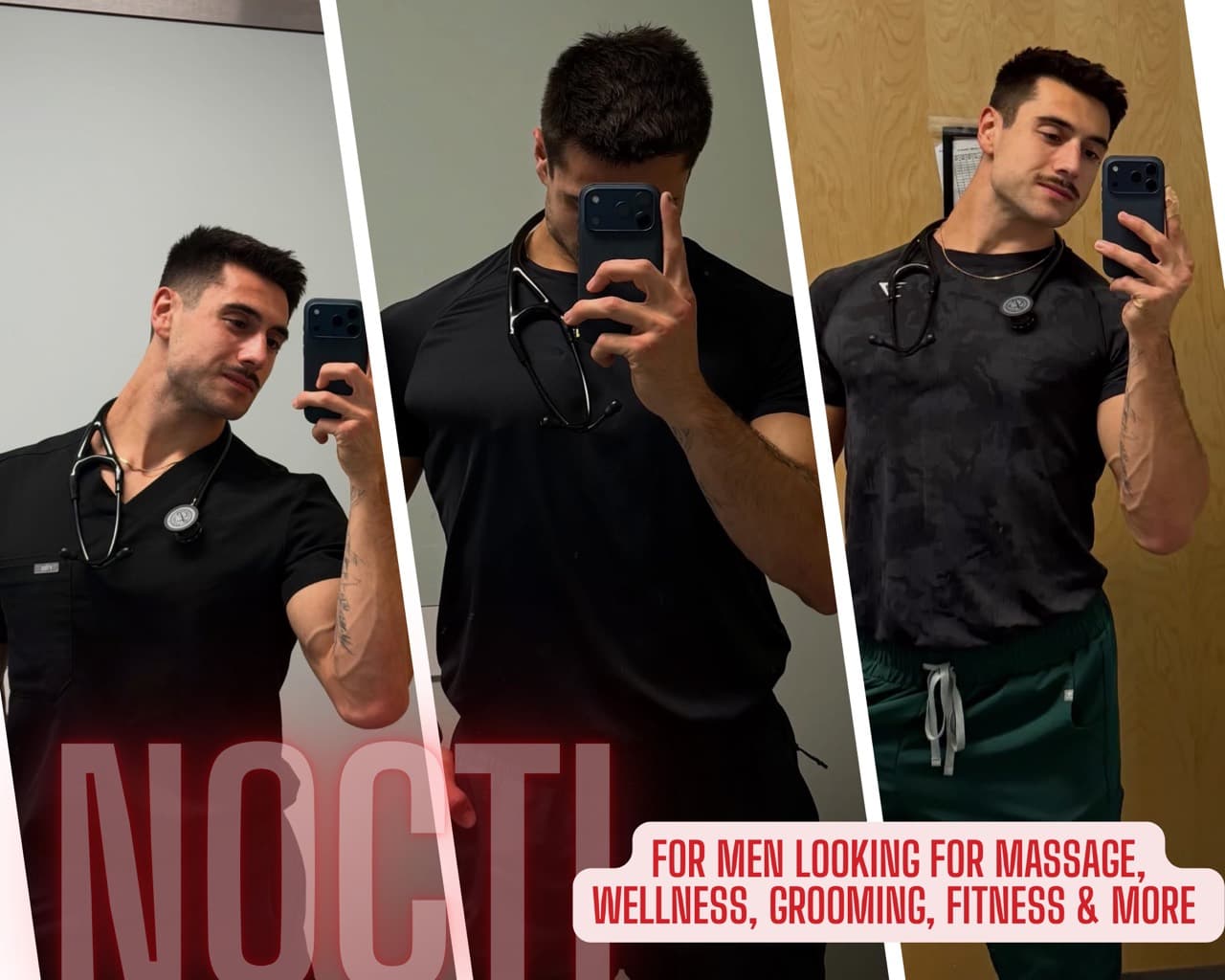
The person caring for patients can still have days when the couch makes a very persuasive closing argument. Philippe Milon, who identifies himself online as an ER nurse, does not pretend professional knowledge switches off fatigue, overtime or ordinary human resistance. According to an account supplied to NOCTI and published with permission, Philippe says he tries to eat well and train consistently even when he is tired or working overtime. He still works with a gym trainer because he values motivation and direction—and because, like anyone else, he sometimes feels lazy. The account was translated and lightly edited for clarity; it is a paraphrase, not a verbatim quotation. That admission is more useful than another perfect-morning-routine fantasy. Knowing why movement matters and consistently making room for it are two different skills. One lives in the brain. The other has to survive the calendar.
Knowledge is not the same as consistency
Clinical training may provide substantial health knowledge. That does not automatically create a progressive exercise plan, an appointment after a hard shift or objective feedback on technique. Expertise in one health profession is not universal expertise in every other profession—and motivation does not become permanent just because someone owns a stethoscope. Here is the less glamorous truth: discipline is not never feeling lazy. It is building a plan that still works when motivation clocks out early. For Philippe, a trainer is part of that plan. The useful question is not “Shouldn’t he know better?” It is “What support helps him keep doing what he values?”
Long shifts change the equation
CDC’s National Institute for Occupational Safety and Health says nonstandard schedules and extended work hours can disrupt or shorten sleep. Work-related fatigue can slow reaction time, reduce attention and concentration, limit short-term memory and impair judgment. NIOSH’s nurse-specific training also explains that long hours reduce recovery time and can make exercise, food and family responsibilities harder to manage. That evidence does not mean every tired nurse should force a workout. It means consistency has to respect recovery. A qualified trainer can help revise a session when time or energy changes; an employer still has responsibility for safer fatigue management, and the worker still needs sleep. “Push through everything” is not a program. It is a slogan wearing lifting shoes.
What a qualified personal trainer can actually add
The American College of Sports Medicine’s current Certified Personal Trainer outline says an ACSM-CPT is trained to plan and implement exercise programs for healthy or medically cleared people, facilitate motivation and adherence, teach exercise technique, monitor response, progress a program and refer or collaborate within professional scope. That is a much clearer job description than “human alarm clock with biceps.” For a busy client, the practical value can be structure: a scheduled session, a plan that changes with progress, technique cues, feedback, realistic goals and someone who notices when the routine no longer fits. HHS also notes that professional-led groups and support from other people can improve physical-activity levels. None of that guarantees results. It makes the process less dependent on waking up magically inspired.
| Real-life situation | A qualified trainer can help with | A trainer should not replace |
|---|---|---|
| Overtime changes the week | Prioritizing, shortening or rescheduling the training plan. | Adequate recovery or safer workplace fatigue practices. |
| Motivation is low | Appointments, goals, feedback and supportive accountability. | Shame, coercion or guarantees of a transformation. |
| Technique feels uncertain | Demonstration, cueing, observation and appropriate exercise modification. | Diagnosis or treatment of an injury or health condition. |
| Progress has stalled | Reassessment and evidence-based changes to volume, intensity or exercise selection. | A promise that more pain, supplements or exhaustion always means more progress. |
| Nutrition questions appear | General education within the trainer’s credential and legal scope. | Medical nutrition therapy or disease-specific treatment. |
| Chest pain, fainting or another alarming symptom occurs | Stopping the session, using the emergency plan and referring appropriately. | Emergency or individualized medical care. |
The right scope depends on the trainer’s credential, the client’s health status and local law. Ask for the exact credential being claimed and verify it directly.
WHO’s Director-General put the goal in one clean sentence
“Being physically active is critical for health and well-being,” WHO Director-General Dr Tedros Adhanom Ghebreyesus said when the organization released its 2020 activity guidelines. The longer message was that every move counts. Current U.S. guidance recommends that adults work toward 150 to 300 minutes of moderate-intensity aerobic activity each week plus muscle-strengthening activity on two days. It also says inactive adults can start small and build over time. Those are population guidelines, not a personal prescription for Philippe—or anyone reading this after a night shift. A sensible plan begins with current ability, goals, health status and medical clearance when appropriate.
The schedule is the first workout
A trainer is most useful when the plan can survive real life. Before paying, show the trainer the schedule that actually exists: night shifts, overtime, commute, sleep window, travel and the days when energy predictably falls apart. Ask what happens when a session must move and how the program changes after inadequate recovery. The strongest answer is not “No excuses.” It is a specific system: which sessions matter most, what can be shortened, what should be postponed, how progress is reviewed and when the trainer will stop and refer. Accountability should make the plan clearer—not make exhaustion feel like a moral failure.
A trainer cannot repay sleep debt
CDC says adults ages 18 to 60 generally need at least seven hours of sleep a day, and advises people with regular sleep problems to speak with a healthcare provider. Training can support health; it cannot purchase back missing recovery or make impaired driving after a long shift safe. A trainer should also recognize the edge of the role. Chest pain, fainting, severe shortness of breath, unusual dizziness, persistent excessive sleepiness or another alarming symptom deserves appropriate medical assessment, not a motivational speech. Call emergency services for a life-threatening situation. A qualified trainer can screen, observe, pause and refer; a trainer should not diagnose or treat a medical condition.
Food supports the shift; it is not a personality test
Philippe describes staying deliberate about food even when work is demanding. NIOSH’s night-shift guidance suggests practical, higher-quality options and warns that sugar-heavy, low-fiber choices may work against alertness. But one photograph cannot prove what someone eats, and one menu does not fit every schedule, culture, health condition or training goal. A trainer may provide general, evidence-based wellness education when it fits the trainer’s credential and local scope. Disease-specific nutrition treatment and individualized medical nutrition therapy belong with a registered dietitian nutritionist or another appropriately licensed clinician, consistent with local law. If a trainer sells fear, shame or an unverified supplement as the price of belonging, that is not accountability. That is a checkout page.
Five questions to ask before hiring a personal trainer
1. What credential do you hold, and can I verify it with the issuing organization? A logo in a bio is not verification. 2. How do you program for people with rotating shifts, overtime or inconsistent sleep? Listen for adaptation, not punishment. 3. How will you assess my starting point, teach technique and measure progress? Ask what will actually be recorded and reviewed. 4. What is the complete cost and cancellation policy? Confirm session length, packages, expiration, location, remote options and rescheduling terms in writing. 5. When do you refer to a clinician, physical therapist or registered dietitian? A professional who knows the boundary is more useful than one who claims to be every profession at once.
The Noal verdict: motivation is a guest; structure pays rent
The twist is not that someone with health-care knowledge uses a trainer. The twist is believing that knowledge automatically becomes behavior after overtime, stress and a disrupted sleep window. It does not. A good trainer does not replace discipline; the trainer can become part of the system that makes discipline easier to use. Philippe’s story is a personal account, not proof that everyone needs a trainer or that his appearance is a typical result. The photographs and account were supplied to NOCTI with publication permission. NOCTI does not identify his employer or trainer, and this article does not provide individual medical, nutrition or exercise advice. Choose coaching for clarity, competence and fit—not because someone promises that one more rep will solve a life that needs rest.
Sources
- CDC/NIOSH: fatigue and work, including effects on attention, memory, reaction time and judgment ↗
- CDC/NIOSH nurse training: why shift work and long hours create health and safety risks ↗
- CDC/NIOSH nurse training: recovery time, family responsibilities and regular exercise ↗
- CDC: adult sleep duration, healthy sleep habits and when to contact a healthcare provider ↗
- HHS Office of Disease Prevention and Health Promotion: Physical Activity Guidelines questions and answers ↗
- American College of Sports Medicine: Certified Personal Trainer exam content and professional scope, effective July 10, 2025 ↗
- American College of Sports Medicine: provider education scope for nutrition and medical nutrition therapy ↗
- CDC/NIOSH: diet suggestions for nurses working night and evening shifts ↗
- World Health Organization: Dr Tedros on physical activity and the 2020 WHO guidelines ↗
Find structure that fits your real schedule
Explore independent personal trainers, strength coaches and movement professionals on NOCTI. Compare the published service, credentials claimed, coaching style, location and price before contacting anyone.
Find Personal Trainers