Men’s Health & Wellness
IV Peptide Drips Are Everywhere. Here’s What They Don’t Tell You.
BPC-157, TB-500, CJC-1295, Melanotan and injected GHK-Cu are trending in wellness clinics and on social media. None is FDA-approved. Here is what the risks are and what to do instead.
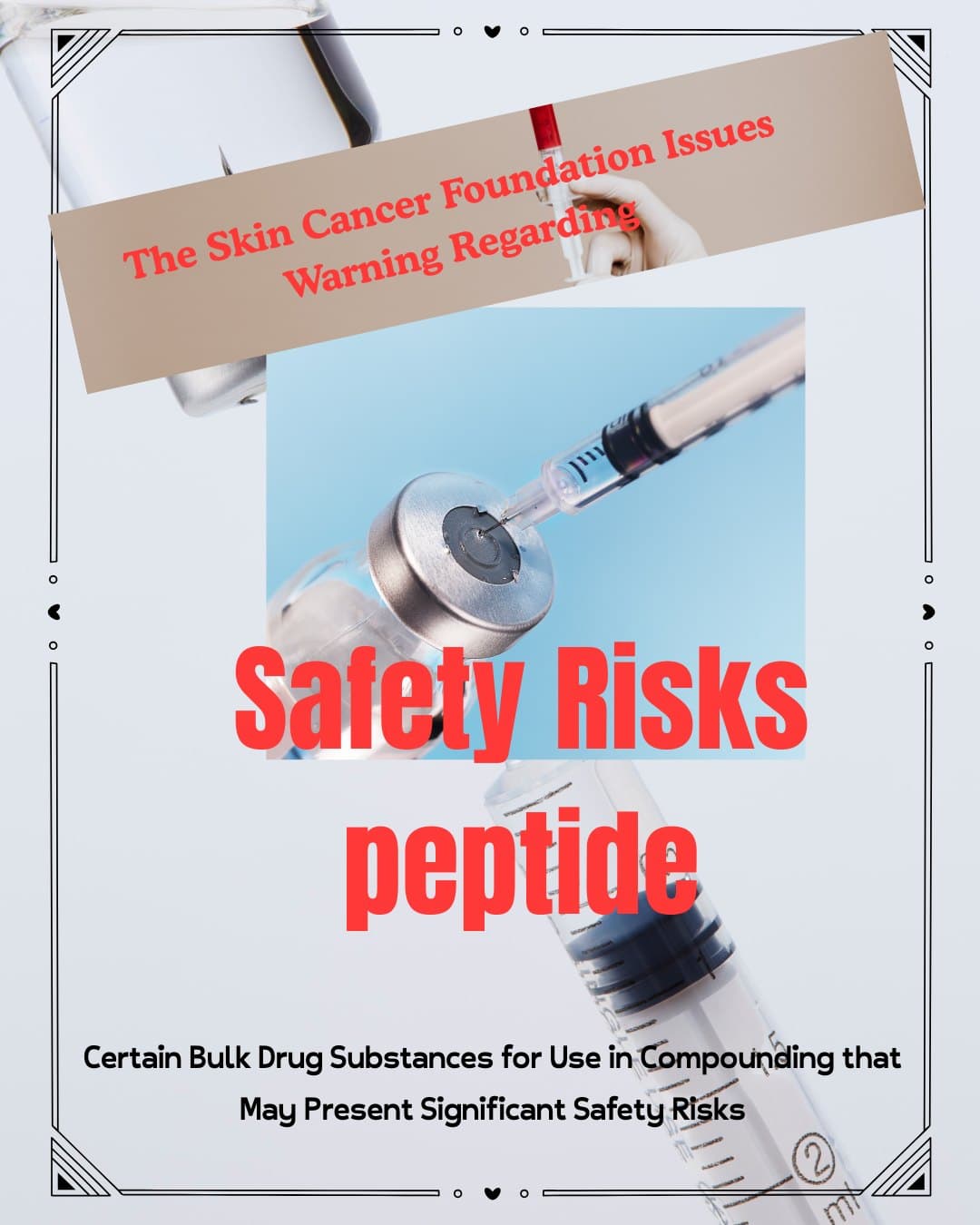
Your gym buddy swears by his “Wolverine stack.”
Your feed is full of guys glowing, shredded and tan in December. The med spa down the street now has a peptide menu next to the IV hydration drips. Let’s spill the tea before you roll up a sleeve.
First: what is a peptide?
A peptide is a short chain of amino acids—think of it as a mini building block of a protein like collagen. Some peptides are real, tested medicine: insulin is a peptide, and so are GLP-1 drugs like semaglutide. Those went through years of human trials and are made under strict quality rules. The trendy names below did not.
The five names to watch for
BPC-157 is sold as a healing miracle for tendons and joints. It is not FDA-approved, human data is very limited, and the World Anti-Doping Agency bans it. TB-500 is marketed for injury recovery. It is also unapproved and banned in sport, and the impressive results mostly come from animal studies. CJC-1295 is pushed for “anti-aging” and fat loss by raising growth hormone. The FDA has linked it to serious adverse events, including a racing heart and a whole-body blood-vessel reaction. Melanotan II is the “Barbie drug” for a tan without sun. It is not approved by the FDA for any use. In July 2026 the Skin Cancer Foundation warned that case reports describe melanoma and fast-changing moles after use. GHK-Cu, the copper peptide, has a long, good track record in topical serums. Injected, the FDA flags a risk of immune reactions from clumping and impurities.
“But didn’t the government just allow them?”
Not quite. On October 28, 2026, HHS said it won’t take enforcement action against licensed compounding pharmacies making six peptides, including BPC-157 and TB-500, if they meet ten conditions. That is enforcement discretion, not FDA approval—and FDA scientific staff had raised major safety concerns. For BPC-157, the policy lists under-the-skin, into-the-muscle, oral and topical routes. IV is not on the list. Mixed “stacks” in one vial don’t qualify either. CJC-1295, Melanotan II and injected GHK-Cu are not among the six.
Why IV makes it riskier
No proven dose: without human trials, nobody knows the right amount, and with medicine the dose is the line between helpful and harmful. Animal results often fail in people. Scientists call it translational failure, and it happens all the time. You can’t see what’s in the vial. Gray-market and “research use only” products can be mislabeled, contaminated or inconsistently dosed. Straight into a vein, there is no filter. Stacking multiplies the unknowns. Researchers such as Dr. Eric Topol have called multi-peptide stacks dangerous.
What to do instead
Ask the clinic three questions: Is this FDA-approved? Who made it? Can I see the certificate of analysis? Vague answers mean walk out. Real injury that won’t heal? See a sports-medicine doctor or orthopedist, not an influencer. Want a tan? Self-tanner and sunscreen. Want better skin? Topical copper peptide, retinoids and SPF. If you used Melanotan and notice a new or changing mole, book a dermatologist now. No shame in wanting to look and feel your best. Just don’t let a vial with no label decide what goes into your bloodstream. This article is general information, not medical advice.
SourcesFDA — Bulk drug substances that may present significant safety risks, Arnold & Porter — HHS peptide enforcement discretion policy (Nov 2026) +4 more
- FDA — Bulk drug substances that may present significant safety risks ↗
- Arnold & Porter — HHS peptide enforcement discretion policy (Nov 2026) ↗
- LegitScript — HHS peptide compounding policy ↗
- Skin Cancer Foundation — Melanotan II warning (July 2026) ↗
- AMA — What doctors want patients to know about injectable peptides ↗
- UCHealth — Peptides: benefits, risks and FDA concerns ↗
Real injury, real questions? Start with qualified care.
Use NOCTI to explore published men’s health resources. For treatment decisions, talk with a licensed clinician—not an influencer or a vial with no label.
Explore Men’s Health Resources