HEALTH / Los Angeles County Public Safety
Chiquita Canyon Gas Release: What Nearby Residents Should Do Now
After the November 16 gas and debris release at Chiquita Canyon Landfill, Los Angeles County is directing cleanup and temporary relief for nearby communities. Here is how to handle odors or debris, when to seek care and which reports still matter.
The short answer
If you live near Chiquita Canyon Landfill and notice strong odors, unusual dust or debris, reduce exposure first. Los Angeles County says to stay indoors when odors are strong, avoid dry sweeping or leaf blowers, report suspected debris and seek care if symptoms persist or worsen. Difficulty breathing or another severe symptom needs immediate medical attention.
What happened on November 16?
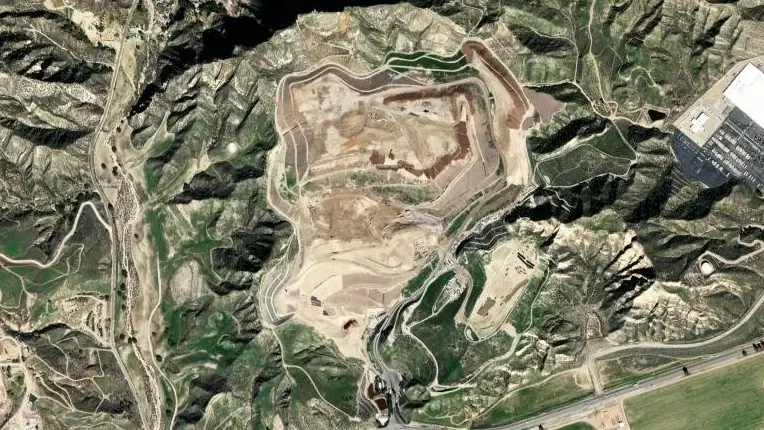
According to the U.S. Environmental Protection Agency, a drilling crew struck a pocket of pressurized landfill gas and leachate about 150 feet below the Chiquita Canyon Landfill. The release lasted roughly seven hours before the hole was capped with a soil barrier at about 11 p.m.
EPA says ash, landfill gas and vaporized leachate were released. Some material landed on the landfill itself, while Los Angeles County Public Health says nearby communities also reported unusual dust, debris, odors and health concerns. The county’s outreach has focused on Val Verde, Hasley Canyon and Castaic.
This was not simply a bad-smell complaint with a dramatic skyline. It was a specific release layered onto a landfill that has had an underground heat reaction and recurring odor problems since 2022.
Does the air-monitoring result mean there is nothing to worry about?
EPA says community, perimeter and on-site monitoring did not show an exceedance of short-term exposure limits during the November 16 event. Los Angeles County also said the available ambient monitoring did not indicate a need for broader community-wide emergency protective action.
That is reassuring information with a boundary. It does not mean every home, surface or person had the same exposure, and it does not make debris testing unnecessary. The county is still requiring debris assessment, cleanup, additional testing and temporary relief for affected residents. “No short-term limit exceeded” and “keep evaluating the material” are not contradictory statements. They answer different questions.
What should you do when the odor is strong?
Los Angeles County Public Health recommends going indoors, closing windows and doors, and setting air conditioning to recirculate if that option is available. If symptoms begin, move away from the odor.
The county says strong odors may cause headaches, nausea, dizziness, or irritation of the eyes, nose or throat. Contact a healthcare provider if symptoms persist or worsen. Seek immediate medical attention for difficulty breathing or another severe symptom.
Write down the time, place, odor description, how long it lasted and what you experienced. A precise report is more useful than “it smelled bad again,” especially when agencies are comparing reports with monitoring data.
What should you do with unusual dust or debris?
Do not dry sweep it. Do not use a leaf blower. Both can put particles back into the air. Los Angeles County says to minimize unnecessary contact and report suspected landfill-related material so it can be documented and evaluated.
The county directed the landfill operator to provide collection and cleanup services for associated debris. If material must be handled before instructions arrive, the county points residents to wet-cleaning methods, gloves and handwashing. Keep children and pets away from the area while you wait for current guidance.
Photographing the location from a safe distance and noting the date can help document a report. It does not require touching, bagging or bringing the material indoors.
| What you notice | First move | Where to report or get help |
|---|---|---|
| Strong landfill odor | Go indoors, close doors and windows, and run air conditioning on recirculation if available | South Coast AQMD odor complaint system or 1-800-288-7664 |
| Unusual dust or debris | Do not dry sweep or use a leaf blower; avoid unnecessary contact and ask for evaluation or cleanup | Chiquita Canyon Landfill at info@chiquitacanyon.com or (661) 257-3655 |
| Persistent or worsening symptoms | Move away from the odor and contact a healthcare provider | LA County health concerns: DPH-OEJCH@ph.lacounty.gov or (626) 430-9821 |
| Difficulty breathing or another severe symptom | Seek immediate medical attention | Call 911 for an emergency |
| Questions about relocation or indoor refuge | Confirm current eligibility and availability before traveling | LA County response hub and current landfill relief information |
Agency instructions can change as testing and cleanup continue. Check the LA County response hub for the current directive before acting on an older post or screenshot.
What relief is supposed to be available?
Los Angeles County’s November 19 directive required the operator to continue filtered indoor refuge, transportation help, at-home air-quality support and temporary hotel accommodations through December 3, 2026, or until reported properties are assessed and remediated under the directive’s terms.
On November 23, the county said hotel accommodations for residents of Val Verde and Hasley Hills had been extended through December 3. Availability and eligibility are operational details, not something a general article can promise. Confirm the current arrangement with the official response channel before leaving home or paying for a room yourself.
Who is checking the landfill now?
EPA says local, state and federal agencies formed a rapid-response team after the release. The agency ordered the operator to report the incident and any continuing threats, submit a plan to prevent another release and stop new vertical drilling deeper than 100 feet until EPA approves or modifies that plan.
Los Angeles County Public Health completed door-to-door outreach and voluntary household surveys in the affected communities. The county says it is reviewing what residents reported and will share findings after analysis. That means the story is still moving: cleanup, test results and the community survey may change the practical advice.
How to make a report that can be acted on
For a suspected debris report, contact Chiquita Canyon Landfill at info@chiquitacanyon.com or (661) 257-3655. For an odor complaint, use the South Coast Air Quality Management District complaint system or call 1-800-288-7664. For a health concern related to the landfill, Los Angeles County lists DPH-OEJCH@ph.lacounty.gov and (626) 430-9821.
Include your general location, date and time, whether the problem was odor, airborne dust or settled material, what you did to reduce exposure, and whether symptoms improved after moving away. Do not post a precise home address or medical details publicly when a private agency report will do the job.
What is known—and what is still unresolved?
Known: a pressurized gas and material release occurred on November 16; the hole was capped that night; short-term air monitoring did not exceed the limits EPA cited; and Los Angeles County ordered additional testing, cleanup and resident support.
Still unresolved: the full composition and reach of off-site debris, the county’s analysis of household surveys, whether every reported property has been assessed and how long all relief measures will remain available.
The useful position is neither panic nor a shrug. Reduce exposure, document what happened, use the correct reporting channel and keep watching the official county page for changes.
Source
Source: Los Angeles County Department of Public Health and U.S. Environmental Protection Agency, edited by NOCTI.
Republishing: please credit NOCTI (joinnocti.com).
If the air or debris is affecting you, make the report specific.
Record the time, location, odor or debris, what you did to reduce exposure and any symptoms. Use the appropriate county or air-quality channel below, and seek care promptly for persistent or worsening symptoms. Difficulty breathing or another severe symptom needs immediate medical attention.
Open LA County’s Chiquita Canyon response hub