Men's Community Health & Safety
California adds same-day opioid-treatment support for Overdose Awareness Day
A new statewide call-and-text service offers immediate help finding opioid treatment. California also points residents to naloxone and emergency-response resources.
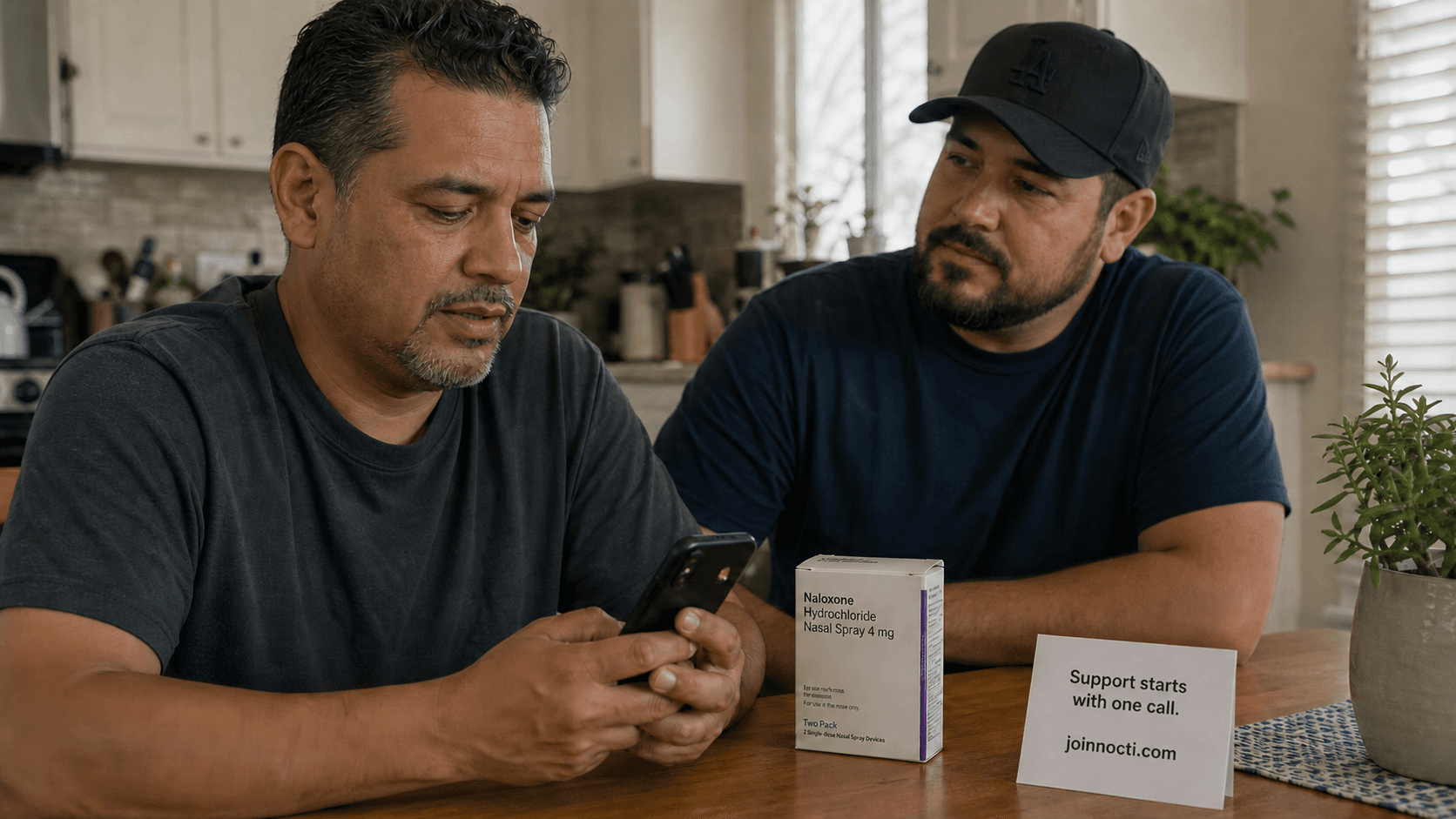
A new number opens a quieter door to care
International Overdose Awareness Day falls on August 31, and California is marking it with a practical new route into care. The Department of Health Care Services launched CA Bridge Connect on August 25 as a free statewide call-and-text service for people seeking treatment for opioid use. Call 800-944-1807 or text 833-308-0461, Monday through Friday from 9 a.m. to 5 p.m. The state describes the service as immediate help and support; it is not a guarantee that every caller will begin treatment that day.
The national decline is real, but men still face a higher rate
The latest final national data show meaningful progress without supporting complacency. The CDC reported 79,384 drug-overdose deaths in 2024, down from 105,007 in 2023. The age-adjusted rate fell 27.3% for males, to 32.2 deaths per 100,000, and 23.0% for females, to 14.1. The male rate remained more than twice the female rate. Those figures cover all drug-overdose deaths, not only opioids, and they describe populations rather than any individual man’s risk.
What CA Bridge Connect can—and cannot—do
The service is designed to help a Californian move through a fragmented treatment system with support from behavioral-health navigators and participating addiction-treatment providers. A caller or texter can ask about opioid-use treatment and a connection to care without first knowing which clinic or program to choose. The published announcement does not say the line provides emergency medical care, replaces 911, guarantees a bed or appointment, or operates outside its weekday hours. For treatment options beyond the line, SAMHSA’s FindTreatment.gov offers a confidential national directory.
Recognize an opioid overdose and act immediately
California public-health guidance lists very small pupils, loss of consciousness, slow or absent breathing, choking or gurgling sounds, a limp body, cold or clammy skin and discolored lips or nails among possible opioid-overdose signs. If an opioid overdose is suspected, give naloxone if it is available and call 911. If normal breathing has not returned after two to three minutes, the state says a second dose may be needed. Support breathing if trained, place the person on their side when appropriate and stay until emergency responders arrive. Do not wait for a treatment line to open.
Naloxone is available without a prescription
Anyone can buy over-the-counter nasal naloxone at pharmacies or online. California also offers a CalRx 4-milligram nasal-spray two-pack for $19, plus tax and shipping, through its direct-to-consumer program. Some local organizations distribute naloxone free or at low cost. Check the expiration date, store it according to the package directions and tell people close to you where it is kept; you cannot administer naloxone to yourself while unconscious. Naloxone temporarily reverses an opioid overdose, but emergency evaluation is still necessary.
Make the conversation specific and free of shame
If you are worried about a friend, partner or relative, choose a private moment and lead with what you observed rather than a label: missed work, a frightening episode, mixing substances or a near-overdose. Offer to sit with him while he calls or texts, help locate naloxone, or drive him to appropriate care. Do not promise secrecy if someone is in immediate danger, and do not try to manage withdrawal, dosing or medication decisions without a qualified clinician. A direct offer of help is more useful than an argument about willpower.
Where NOCTI’s role ends
NOCTI publishes this information because substance use, stigma and the difficulty of asking for help are part of men’s health. NOCTI is not an addiction-treatment provider, crisis line or emergency service, and massage or wellness appointments do not treat opioid-use disorder or reverse an overdose. Call 911 for an overdose, absent or abnormal breathing, unresponsiveness or another emergency. For treatment support in California, use CA Bridge Connect during its posted hours; for emotional crisis or suicidal thoughts, call or text 988. This article is educational and does not replace medical advice.
Sources
- California DHCS: CA Bridge Connect statewide opioid-treatment support (August 25, 2026) ↗
- SAMHSA: Overdose Awareness Week and International Overdose Awareness Day resources ↗
- California Department of Public Health: naloxone access, overdose signs and response steps ↗
- CDC National Center for Health Statistics: drug-overdose deaths in 2023–2024 ↗
Find men’s massage near you
Compare local providers privately and contact the professional you choose directly.
Search NOCTI