Men’s Fashion & Lifestyle / The American perspective
More clothes. Still nothing that feels like you?
The fashion industry knows how to sell a look. Does it know how you want to live?
Beyond the outfit
You can admire the image and still ask for more.
More useful advice. More clarity about what you are paying for. More room to be yourself without being told what kind of man you should look like.
From a familiar pair of jeans to a coat that changes the whole silhouette, style becomes interesting when it meets a real person’s life. Money, age, confidence and where you live all enter the conversation.
In this research-led editorial Q&A, NOCTI asks the questions and offers its perspective—drawing on published research rather than presenting a private interview.
01 / NOCTI asks
Is men’s fashion changing—or just giving us more things to buy?
More choice is useful only when you can make it work in your own life.
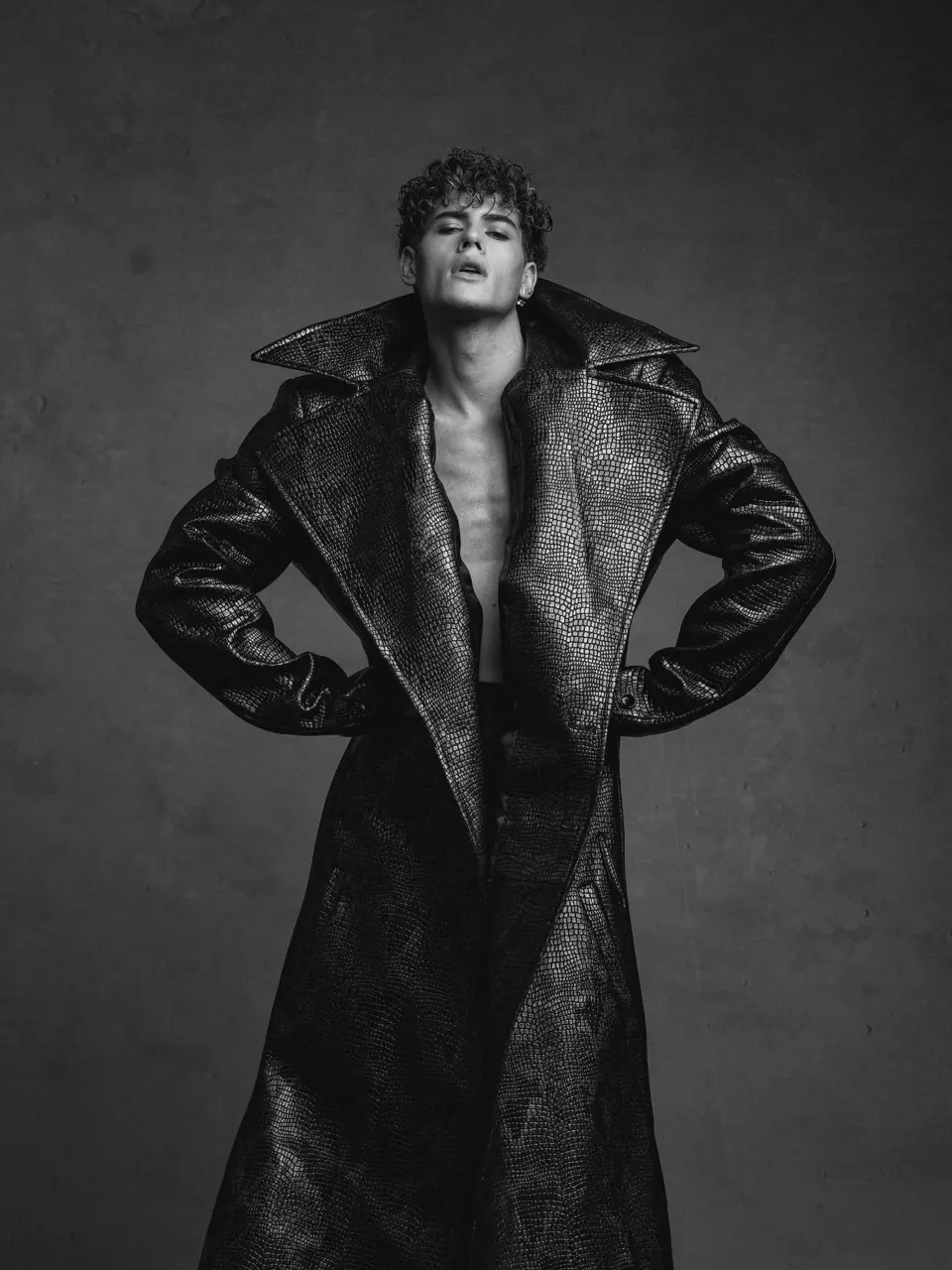
A dramatic coat can make a great photograph. Getting dressed for work, a date or a quiet Saturday asks a different question: does this feel right on me, here, today? That gap between inspiration and everyday use is where NOCTI thinks the most useful fashion conversation begins.
Our reading of the current landscape is that men are negotiating three competing wishes: a personal look without feeling exposed; better quality without an unreasonable bill; and freedom to dress for themselves while living with other people’s expectations. These are questions to explore, not a diagnosis of every man or every LGBTQ+ customer.
Start with the moment you are dressing for. A wardrobe built around your actual week has a better chance of earning its place than one built around somebody else’s feed.
02 / NOCTI asks
So do I have to throw out my slim jeans?
No. A change in fashion is an invitation, not an eviction notice.
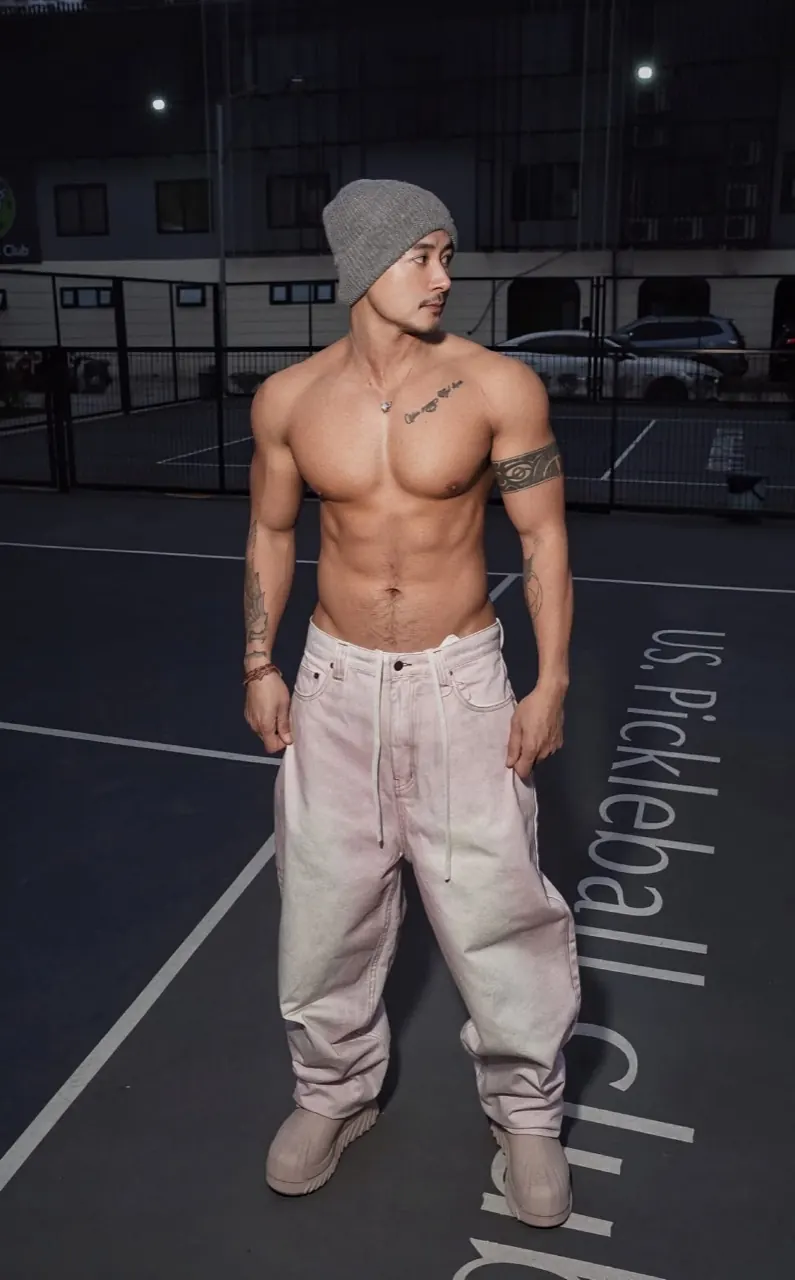
The contrast between a slim silhouette and a relaxed one is useful for understanding proportions. It becomes less useful when it turns into a rule about what everyone should wear. Straight, wide and narrow cuts can serve different people, outfits and occasions.
If you want to experiment, change one proportion first. Try a straighter trouser with a familiar top, or a roomier jacket over clothes you already like. Look at the whole outfit while standing, sitting and moving. You do not need to replace the entire wardrobe to find out whether one change suits you.
NOCTI’s test: can you explain what you like about the garment without saying that everyone is wearing it? The answer might be the shape, the feel, the color or simply how easily it fits into your day.
03 / NOCTI asks
Why does looking good feel so expensive?
The real bill includes the pieces you buy and barely wear.
McKinsey and The Business of Fashion forecast in The State of Fashion 2026 that secondhand fashion and luxury will grow two to three times faster than the firsthand market through 2027. That is a forecast, not a completed result. Their consumer survey also found that almost 60% of global consumers said they were likely to shop resale in 2026; intention is not the same as a purchase.
NOCTI’s view: a new garment now has to earn its place alongside secondhand finds, alterations and clothes already in your closet. A logo does not answer whether a purchase is useful.
Before buying, check the fabric information, stitching, comfort in motion, care instructions and return terms. Ask whether it works with three things you own. For a simple illustration, a $120 item worn 60 times costs $2 per wear; a $40 item worn twice costs $20 per wear, before care costs. This is a planning tool, not a reason to spend beyond your budget.
04 / NOCTI asks
Do gay men actually need a different kind of fashion?
They need room to choose. There is no single gay wardrobe.
A gay man might want a traditional suit, practical sportswear, a theatrical coat or the same jeans every weekend. Bisexual men, trans men and queer customers do not share one set of proportions, tastes or spending priorities. Nonbinary people may also shop menswear without identifying as men.
Gallup’s February 2026 release estimates that 9% of U.S. adults identified as LGBTQ+ in its combined 2025 interviews; among adults under 30, the figure was 23%. Those figures describe identity across adults. They do not measure the size of the menswear market or tell a brand what any individual wants to wear.
Clothes may be a form of expression, but they are not evidence of someone’s sexual orientation. Some people enjoy visibly queer styling; others want an excellent shirt without an identity attached to the transaction. Both deserve thoughtful service.
05 / NOCTI asks
What does an inclusive brand do after the Pride campaign ends?
The answer is in the experience of buying from it.
The Harris Poll’s Inclusive Insights: LGBTQ+ and Brands reports that 81% of LGBTQ+ consumers surveyed said brands had pulled back their support. It also reports that 84% said they lose trust when brands retreat in the face of backlash. These are reported attitudes, not proof that the same proportion stopped buying.
For NOCTI, the practical question is whether the promise survives contact with the store: useful measurements, respectful fitting advice, clear returns and staff who do not make assumptions about the customer. A broad campaign image cannot compensate for an experience that makes someone feel unwelcome.
For a shopper, ask a concrete question before ordering: can you help me understand how this will fit my measurements? Notice whether the response is useful. For a brand, make consistent service part of the product, not a seasonal message.
06 / NOCTI asks
Does the same outfit mean something different in a small town?
The setting can change the experience. It does not determine someone’s taste.
The Trevor Project’s March 2025 research brief, using its 2024 U.S. survey, found that 34% of rural LGBTQ+ young respondents described their community as supportive, compared with 67% of non-rural respondents. This concerns young people’s perceptions of support; it is not a survey of adult fashion preferences.
NOCTI’s interpretation is that a useful fashion service should ask about context rather than assign a personality to a postcode. Access to stores, fitting appointments, transport and supportive social spaces can all matter. A rural customer can be highly experimental; a city customer can prefer discretion.
If you are exploring a new look, decide where you would first enjoy wearing it. For online purchases, check actual garment measurements, delivery options and the return deadline before committing. You get to set the pace of your own visibility.
07 / NOCTI asks
What changes when you are 35, 45 or 55?
Your life may change. Your right to enjoy clothes does not expire.
There is no useful universal deadline for wearing a certain shape, color or accessory. A better review begins with what has changed: your work, your body, your climate, your routine or what makes you feel comfortable.
Keep the pieces that still serve you. If something no longer fits, consider whether an alteration is worthwhile before replacing it. Try an unfamiliar shape without treating it as a test of whether you are young enough.
For stylists and barbers, this is a better opening than asking a client to look younger: what would you like getting ready to feel like? A person may want less effort, a more deliberate look or a fresh start. Let the answer guide the service.
09 / NOCTI asks
Do I need the body in the photograph to wear the clothes?
A fashion photograph should offer an idea, not an entrance requirement.
The portraits accompanying this feature explore denim, sportswear, accessories and sculptural outerwear. They are editorial illustrations, not research participants or interview subjects. Their appearance does not tell us anyone’s identity, health or experience.
Bring the discussion back to the garment: where does it sit on your shoulders, waist and hips? Can you move as you need to? Does the fabric feel comfortable? A good fitting conversation works with the body you have rather than promising that you will become the person in an image.
Providers can help by showing relevant work, asking permission before making appearance suggestions and explaining options without shaming a client’s body or budget.
10 / NOCTI asks
Where is the opportunity for a smaller brand or provider?
Solve one recognisable problem well enough that someone comes back.
NOCTI’s proposal is to test specific needs before expanding a catalogue: a straightforward wardrobe consultation, clear fit guidance, a small collection with a defined purpose or grooming advice that supports an existing personal style. These are potential experiments, not services we claim are already available.
Ask prospective customers what they struggle with, what they have tried and what they would pay to resolve. Then offer a small, clearly described pilot. Measure completed bookings or purchases, returns, repeat business and the time required to deliver the work—not only likes.
An illustrative $65 shirt leaves $14.50 after $24 production, $7 packaging and shipping, $2.50 payment fees, $12 advertising and a $5 returns allowance. That is about 22.3% contribution before fixed costs, design, staffing and income tax. These are hypothetical figures, not NOCTI prices or industry averages. Attractive photography does not remove the need for workable economics.
11 / NOCTI asks
What should we watch next—and what can I do today?
Look for better fit, clearer value and service that respects the person.
Those are NOCTI’s priorities for the years ahead, not a prediction that every brand or customer will move in one direction. Resale, personal service and more varied styling offer possibilities; their value still has to be demonstrated in everyday use.
Today, choose one situation in which getting dressed feels difficult. Build an outfit for it with what you own. Write down what is missing, set a comfortable budget and try one deliberate change. If you seek professional help, bring those details and ask about the process and total price before booking.
You do not need a new identity every season. You need choices that fit the life you actually lead—and enough room to enjoy making them.
This feature combines published research with NOCTI’s editorial interpretation. It is not a representative survey of men’s shopping behaviour. The photographs illustrate style; they do not establish anyone’s identity or views.
Explore grooming providers on NOCTI →Source: Gallup; McKinsey & The Business of Fashion; The Harris Poll; The Trevor Project. Edited by NOCTI.
Republishing: please credit NOCTI (joinnocti.com).
08 / NOCTI asks
Are social feeds helping us find a style—or copy one?
Use the image as a reference. Give yourself permission to edit it.
A feed can introduce a silhouette you have never considered. It can also make a narrow set of outfits feel like the only available choices. That is an editorial observation, not a measured claim about all Instagram, TikTok or Reddit users.
Save three looks and name the detail you like in each. Is it the proportion, the layering, the texture or the color? Then try one detail with your existing clothes. You can borrow the idea without buying the entire image.
A forum discussion can reveal a useful question, but a popular comment is not a representative survey. Treat personal experiences as experiences, and keep claims about an entire community on a higher evidentiary standard.